Ensuring strength and safety with norelem stainless steel components
InfoWeb Marketplace · Editorial team Published on 14 September 2021 · 4 min read
Photo 1 of 3
The naturally low maintenance and attractive appearance of stainless steel, together with its unique properties, make it a material of choice for many technical applications. Marcus Schneck, CEO of norelem, explains the advantages of stainless steel and examines the various applications in which stainless steel components can be used. Strength, corrosion resistance and hygienic properties are all desirable qualities when choosing standard components. When engineers are faced with the effects of corrosion, it can lead to delays, hazardous working environments and subsequent maintenance costs.
According to the European standard EN 10088 (British Standards Institution 1995), stainless steel is a low-carbon steel that contains at least 10% chromium and a maximum of 1,2% carbon by weight. The increased chromium content, together with the addition of other elements such as molybdenum, nickel and nitrogen, improves the steel's corrosion resistance and other properties that are useful for standardized components.
The booming stainless steel market
The global stainless steel market is expected to reach 163,5 million dollars by 2027. The shear strength of stainless steel is one of the main reasons for its popularity. Stainless steel is also a common choice for many people because of its attractive appearance, as there is a variety of surface treatments, and the fact that it can also be polished adds to its aesthetic value. It also has a long life cycle and is 100% recyclable. It is even used to make our cutlery!
However, not all stainless steels are the same, and there are major differences between each grade. For applications where very high corrosion resistance is required, products made of austenitic stainless steel 1.4404 (AISI 316L, V4A, A4L) are required. Stainless steel comes in around 150 grades, of which 15 are regularly used in everyday applications. Available in a variety of shapes and sizes, stainless steel is commonly used for industrial and residential applications, including plates, coils, bars, sheets and tubes. It is also used in a variety of industries, including construction, automotive and more. It is quite simply the most efficient and best-performing choice for many applications.
The advantages of stainless steel and why it is so popular
Compared with carbon steels and aluminum, stainless steel is harder to work with and more expensive to buy. However, the many advantages mentioned above most often offset this higher cost. Those who are not familiar with stainless steel will quickly be puzzled by the different types and grades, and choosing the right one is essential in order to design a satisfactory project at a fair and cost-effective price.
If engineers want to get the most out of stainless steel, they must take all aspects of the design into account, as they would for any other material. For example, forming and joining methods need to be carefully studied in order to create the design that is the most optimized to produce.
Stainless steel sterilizes and strengthens
In recent years and months, material trends in the healthcare sector have moved increasingly toward stainless steel. But special products intended for hygiene applications are also in increasing demand. Stainless steel has a long history of successful use in the most demanding medical applications, such as implants and surgical instruments, which require extensive sterilization conditions. In places where hygiene and ease of cleaning are essential, stainless steel has proven its effectiveness. Easy to clean, stainless steel is the preferred choice for hygienic environments such as hospitals, restaurants and public kitchens. Consequently, supplying standard components made of stainless steel is a foolproof strategy for ensuring the production of the safest products. Industries that make extensive use of stainless steel include: food and catering, chemicals and pharmaceuticals, medical equipment manufacturing, architecture and construction, and automotive manufacturing.
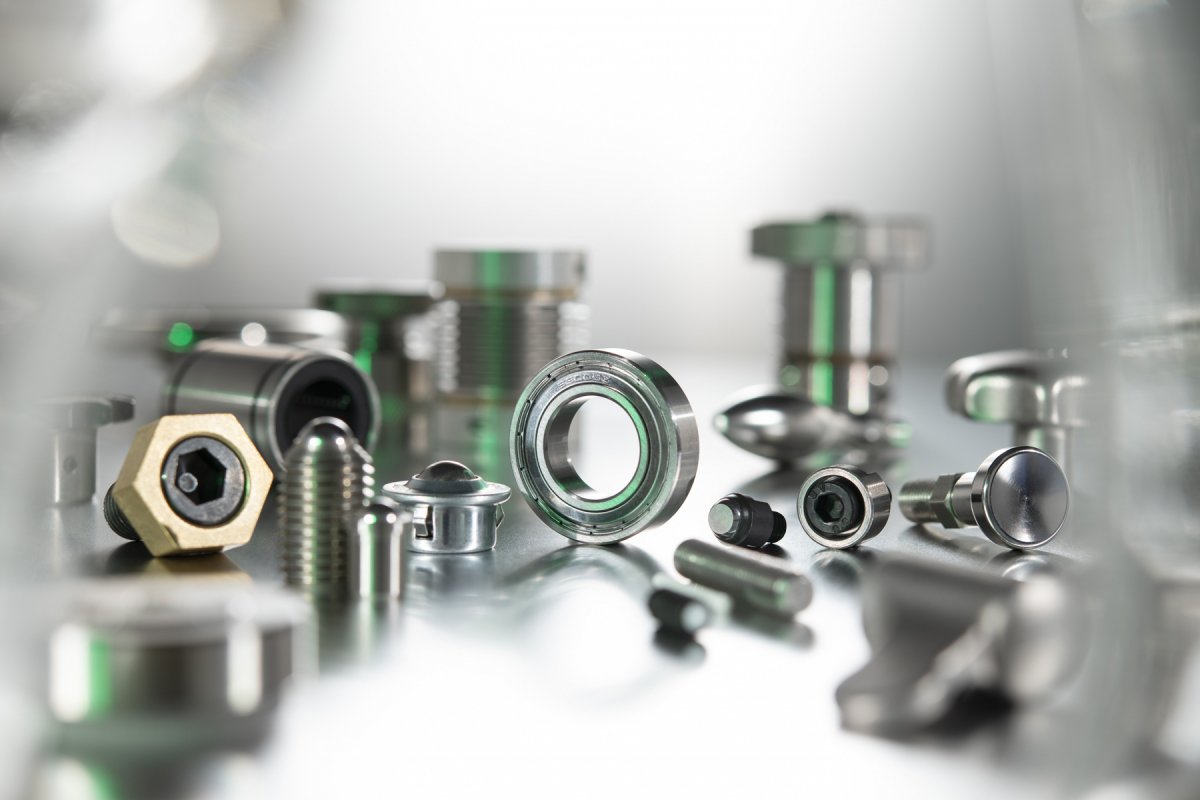
For applications where high stability and corrosion resistance must be guaranteed, norelem supplies a wide range of standard stainless steel components. With the need for durable and safe components being felt in many industries, norelem stainless steel components are of the highest quality. Because of certain performance characteristics, norelem uses stainless steel of grade 1.4301 (AISI 304, V2A) or 1.4305 (AISI 303) for a large number of its standard components. For applications with very high requirements, norelem also offers stainless steel products in 1.4404 (AISI 316L, V4A, A4L) in its product range. The 1.4404 stainless steel products are specifically intended for the food, pharmaceutical, chemical and packaging industries because of their hygienic properties.
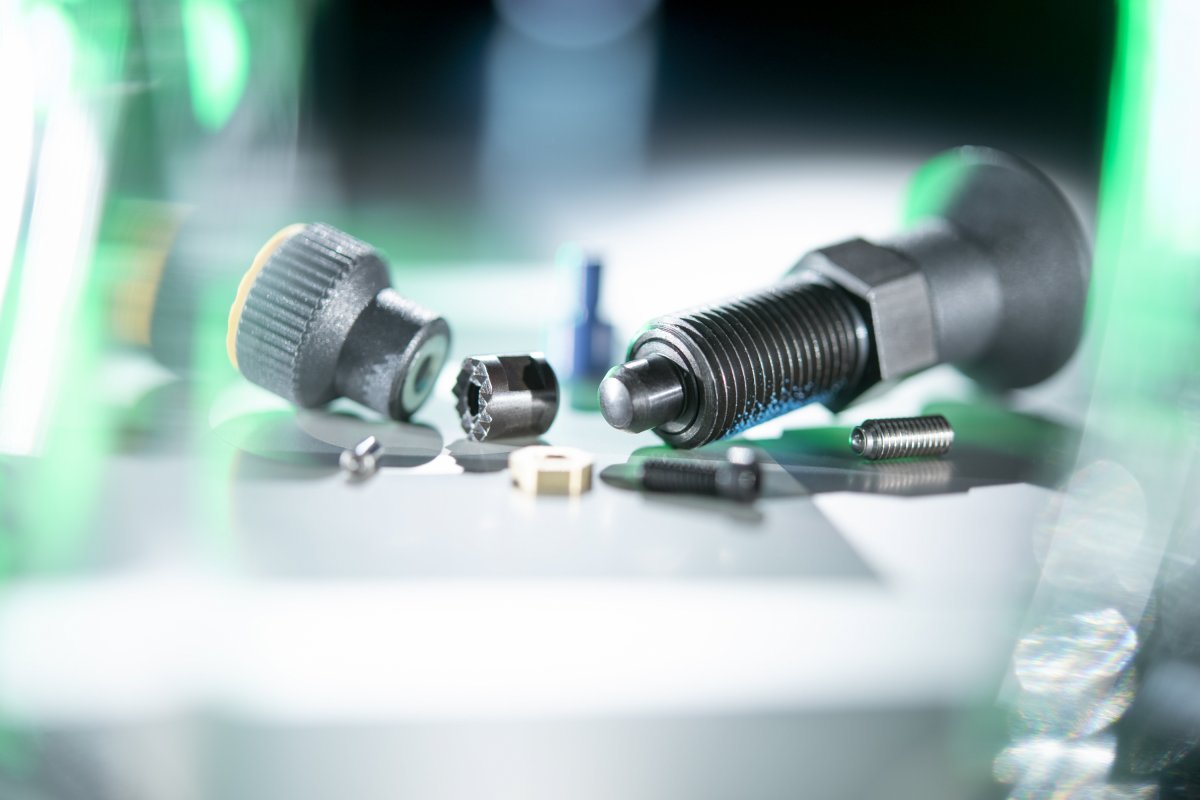
With an ever-expanding range of components, norelem offers various stainless steel components such as bolts, nuts and washers, spring plungers, indexing plungers and handles, tube connectors, adjustable feet and even linear units. For example, workpieces are generally clamped with spring plungers, which can be used as a positioning aid, locking mechanism or clamping mechanism. Mechanical engineering, plant construction, electronics production and the automotive industry all use spring plungers. For applications in which spring plungers must meet high requirements, for example outdoors or in medical technology, there are several types of norelem spring plungers made of corrosion-resistant materials such as stainless steel.













 InfoWeb Marketplace · Editorial team