












New DuPont e-guide on high-visibility clothing
 InfoWeb Marketplace · Editorial team
Published on 13 November 2025 · 2 min read
Is the complexity of high-visibility clothing leaving workers poorly informed?
DuPont's new e-guide reflects the difficulties involved in selecting and maintaining high-visibility clothing
DuPont Personal Protection is calling for greater awareness of the consequences of poor selection and poor maintenance of high-visibility clothing. In the EU, 24 % of fatal workplace accidents in 2022 were due to a collision, and thousands of other people suffered non-mortelles1 injuries. Often, the victim was simply not seen in time to avoid the accident.
High-visibility clothing plays a crucial role in workplace safety. It uses a combination of fluorescent colors and retroreflective bands so that the wearer can be easily seen in varied lighting conditions and work environments, such as night work in the construction sector, in busy warehouses and in railway track maintenance. However, in the event of an accident, insurance companies may refuse to pay compensation if the color or the retroreflective properties of the high-visibility garment are not compliant.
?The modern workplace presents multiple risks, with visibility being just one among others,? says Steve Marnach, EMEA Training Manager at DuPont Personal Protection. ?HSE professionals are under more pressure than ever to ensure that workers are protected at all times. Selecting and managing high-visibility clothing can be complex, particularly when chemical, biological and mechanical hazards are also present. Correct laundering for reusable solutions and appropriate storage regimes also play an important role in preserving the reflective properties of high-visibility clothing and keeping workers visible.?
DuPont has published a new e-guide to make it easier to select, manage and dispose of high-visibility clothing. See and Be Seen: Best Practice Guide for the Selection and Maintenance of High-Visibility Clothing offers advice on selection criteria, from assessing visibility risks to understanding garment classifications, and explains the advantages and disadvantages of reusable and disposable high-visibility clothing. The guide also focuses on maintenance and care, explaining the importance of cleaning at appropriate temperatures and with appropriate detergents.
?The lack of adequate laundry facilities can lead wearers to wash their high-visibility clothing themselves, which is totally unacceptable. Cross-contamination during home laundering is a significant risk, and an unsuitable detergent or temperature will cause high-visibility clothing to deteriorate more quickly,? says Steve Marnach.
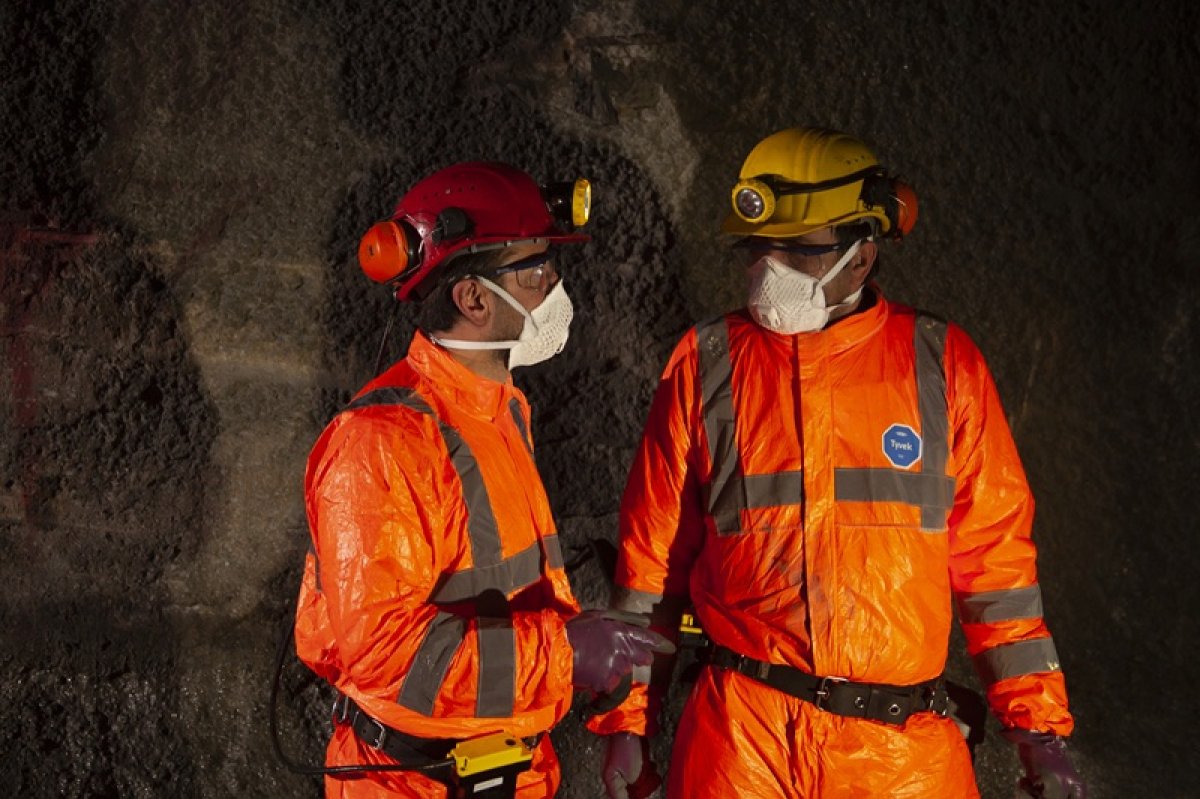
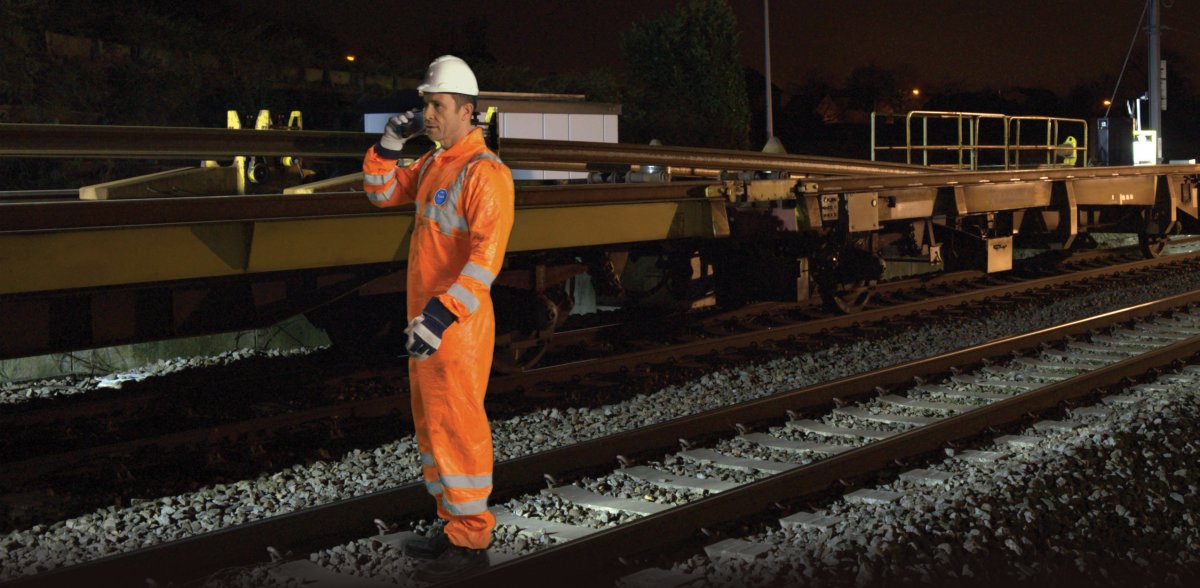
The e-guide also shows how DuPont has integrated biomotion research, new materials technology and customer feedback into the development of new PPE capable of offering multiple protection against several hazards in a single garment. One example is the DuPont™ Tyvek® 500 HV disposable coverall, which combines high visibility with chemical, biological and antistatic protection and meets the requirements of class 3/3 of standard ISO 20471. Originally developed for the railway sector, the Tyvek® 500 HV coverall is now available with an optional hood, making it possible to use this disposable, multi-hazard, high-visibility garment to cover the entire body in multiple applications.