












TGW's shuttle system automates the TVH distribution center
 InfoWeb Marketplace · Editorial team
Published on 13 October 2019 · 2 min read
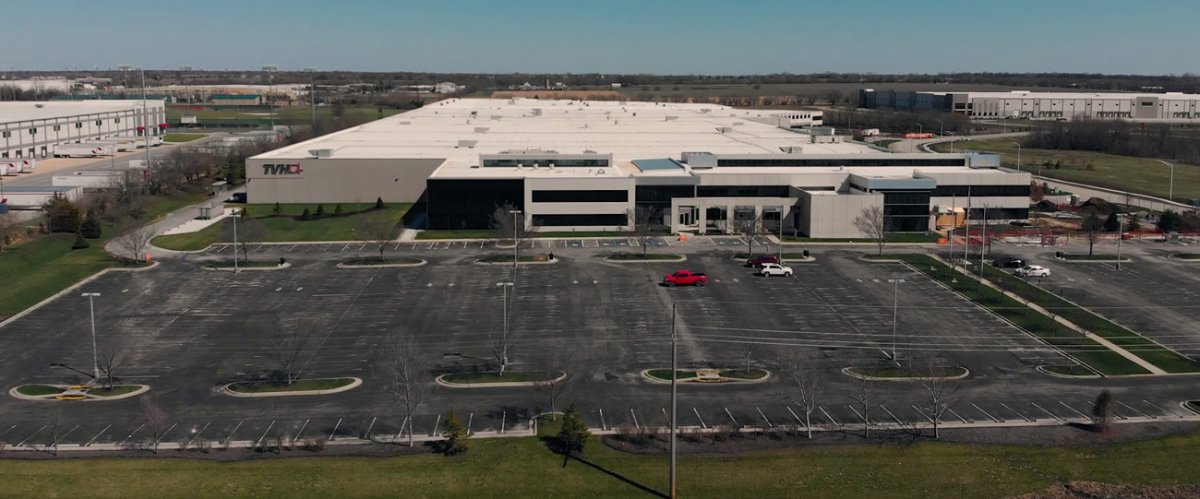
In Kansas, USA, TGW has recently completed the construction of an automated distribution center for the spare parts specialist TVH Parts Co. A five-aisle shuttle system with 51 000 storage locations, combined with highly efficient order-picking workstations, ensures maximum flexibility. Thanks to this new automation by TGW, it is now possible to increase throughput while reducing manual interventions. TVH customers now benefit from better service as well as longer order cut-off times.
TVH specializes in the distribution of spare parts for material handling equipment and agricultural vehicles. Its range includes parts for forklift trucks, work platforms, wheel loaders, excavators and tractors. Founded in 1969 in Belgium, the company is now active worldwide. More than 5 500 orders leave the company's national distribution center every day.
TGW shuttle system: increased efficiency through automation
The five-aisle shuttle system and the ergonomic workstations 1:8 have been integrated into the existing building and fit seamlessly into the existing workflows. The solution was designed in close coordination with the system at TVH's headquarters in Belgium, for which TGW was also commissioned. Synergies can thus be optimally exploited, both in the design of the installation and in the WCS (Warehouse Control System) interface. The shuttle is ready for future growth and can easily be doubled to ten aisles.
?We decided to invest in a new system because of the fantastic growth in the number of SKUs we have to handle. The main design criterion for us was flexibility. We wanted a solution able to cope with current growth but also with our future growth - so we needed a modular solution.? explains Rod Strickland, Director of Logistics at TVH.
High storage capacity, compact footprint
?The TGW solution offers high storage capacity in a small area, while also delivering high throughput to meet our customers' demand.? emphasizes Chad Zollman, CSO at TGW USA. ?This solves two of the most important problems encountered in supply chain distribution: optimizing the use of space thanks to the storage density of the shuttles, and labor scarcity thanks to the elimination of manual workflows.?
