












uvex launches 6 new eyewear models in the planet version
 InfoWeb Marketplace · Editorial team
Published on 17 September 2024 · 2 min read
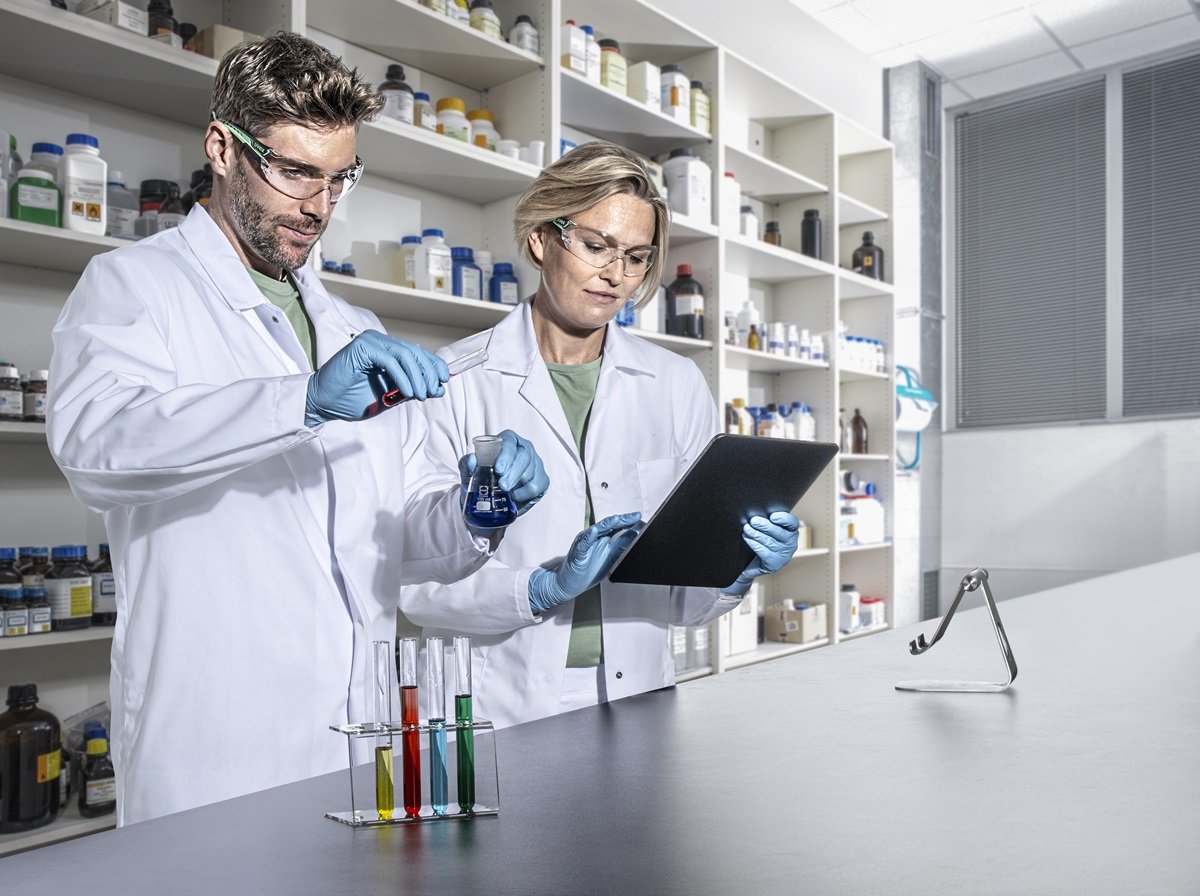
A European specialist in personal protective equipment (PPE), uvex is expanding its eyewear range with 6 new models in the planet version: pheos nxt planet, sportstyle planet (with supravision excellence and supravision extreme coatings), super OTG planet, megasonic planet and ultrasonic planet. Made in Germany, they feature lenses made of 100% mass balance polycarbonate, temples made of recycled or bio-based materials, headbands made of recycled yarns and frames made from production scrap. The use of these sustainable materials has reduced the carbon footprint of uvex planet safety glasses by 29% to 71% depending on the model. This approach is in line with the goals set by the group: +20% of bio-based and recycled materials by 2030.
A complete range of planet eyewear
Launched in 2022, the uvex planet range initially offered 3 models of uvex i-range planet eyewear (1 spectacle, 1 spectacle with frame and 1 goggle). The new uvex pheos nxt planet then expanded the range in 2023. With the addition of the 6 uvex best-selling models in the planet version, the range now comprises 9 products, from spectacles to overspectacles and goggles.
The 6 new uvex planet models, made of between 4% and 24% recycled materials, make it possible to achieve significant savings of CO2 (between 29% and 71%). The uvex planet range also includes a case and a cord made of 100% recycled PET bottles.
The Mass Balance process: transparency and traceability
The ?Mass Balance? approach is an accounting method used to track and record plastic material flows throughout the value chain. During production, fossil-based raw materials are replaced with materials derived from biomass or recycled materials, without the bio-based or recycled content of the final product being constant.
?It is the same principle that allows consumers to buy green electricity: the consumer takes part in the energy transition and encourages the supplier to integrate green energy into electricity production, without being sure that the electricity they have at home comes from a renewable source,? explains Valérie Muller, CSR Manager at UVEX HECKEL.
Mass balancing (the Mass Balance approach) allows renewable raw materials to be allocated to selected end products. In the case of uvex planet eyewear, the lenses are made with 100% mass balance polycarbonate.
?While many other components of our eyewear have already been replaced with recycled or bio-based materials, finding a sustainable material for our lenses proved difficult because of our particularly high requirements in terms of mechanical strength, optical quality and UV protection up to 400 nm. Makrolon® RE, developed by Covestro, guarantees the essential properties required to manufacture our safety glasses with a particularly low carbon footprint,? adds Valérie Muller, CSR Manager at UVEX HECKEL.
Makrolon® RE, a polycarbonate derived from bio-waste and residues through a mass balance approach, is ISCC Plus certified for maximum transparency. It delivers performance identical to that of conventional fossil-based polycarbonate while ushering in a more sustainable era for eyewear design.
Eyewear Made in Germany
All uvex eyewear models are manufactured in Fürth, Germany. The site, currently undergoing ISO 14001 certification, plans to install a centralized material supply system to save 128 000 KWh of electricity per year. In addition, replacing a hydraulic injection molding machine will save 60 000 KWh annually. Finally, thermal insulation of a mold should considerably reduce the electricity consumption needed to heat it, enabling additional savings of 40 000 KWh per year.
